
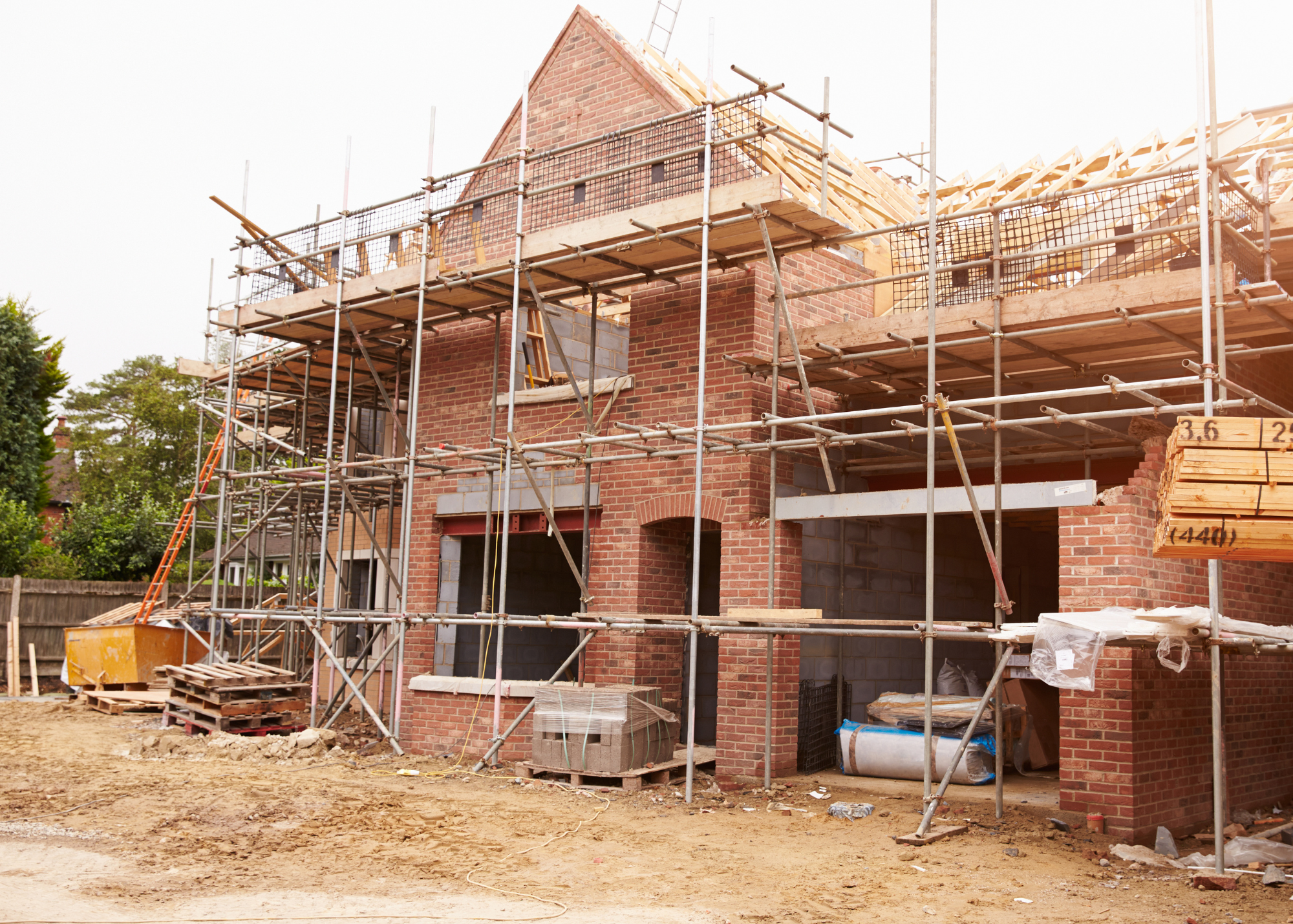
How Ground Up Construction Loans Work
If you’re planning to build a property from the ground up—whether it’s a new home, a multifamily development, or a commercial space—you’re going to need the right kind of financing to bring that vision to life. That’s where ground-up construction loans come in. At Harbour Group Capital, we help clients across New York and beyond secure smart, flexible financing solutions. If this is your first time exploring ground-up construction loans, don’t worry—we’re breaking it down in a way that’s easy to understand.
What Is a Ground Up Construction Loan?
A ground-up construction loan is short-term financing that covers the cost of building a property from scratch. That means everything—from the land preparation and foundation to the final finishes and inspections. Unlike a traditional mortgage, which is based on the value of an existing property, a construction loan is based on what the finished project will be worth. It’s designed to fund the construction process in phases as the project progresses.
How Do Ground Up Construction Loans Work?
Here’s a simplified step-by-step of how a ground-up construction loan typically works:
1. Pre-Approval & Planning
Before anything else, you’ll need a detailed construction plan, timeline, and budget. The lender will want to see architectural plans, permits, contractor info, and projected costs. Once everything looks solid, you’ll get pre-approved based on the value of the completed project.
2. Loan Closing & Land Acquisition (if needed)
If you’re also buying the land, the construction loan may cover that as well. Once the loan closes, funds are available to start work.
3. Draw Schedule
Rather than getting one big lump sum, construction loans are distributed in draws—scheduled disbursements that align with stages of construction. For example: foundation, framing, electrical, and so on.
Each draw typically requires a site inspection to confirm the work has been completed before the next funds are released.
4. Interest-Only Payments
During the construction phase, you’ll usually only pay interest on the funds that have been drawn. That means your payments start small and grow as the project moves forward.
5. Conversion or Refinance
Once the build is complete, the construction loan is either paid off or converted into a longer-term mortgage—like a conventional loan or a commercial real estate loan.
What Can a Ground Up Construction Loan Be Used For?
These loans are popular with real estate investors, developers, and business owners looking to build:
- Single-family homes
- Multi-unit residential buildings
- Commercial spaces (office buildings, retail plazas, warehouses)
- Mixed-use developments
Whether you’re building a dream home or a new revenue stream, this type of financing gives you the control and flexibility to do it your way.
What Are Lenders Looking For?
At Harbour Group Capital, we take a common-sense approach to lending. That said, most lenders will review:
- Your creditworthiness
- Your experience with similar projects (especially for larger builds)
- Detailed construction plans and permits
- Value of the completed property (based on an appraisal)
- Exit strategy (how the loan will be repaid or refinanced)
Final Thoughts
Ground-up construction loans are a powerful tool for bringing real estate projects to life. They’re a bit more complex than a traditional mortgage, but with the right lending partner, the process can be straightforward and stress-free.
If you’re ready to build or just starting to explore your options, Harbour Group Capital is here to help. We’ll walk you through every step—from funding to finish.
Tags:
Category: Harbour Group Capital News, Investing, Real Estate Financing

 Harbour Group Capital, LLC serves as the originating entity for all loans. Loans only apply to residential, non-owner occupied properties. Rates, terms and conditions offered only to qualified borrowers, may vary upon loan product, deal structure, property state or other applicable considerations, and are subject to change at any time without notice, shall only constitute a general, non-binding expression of interest on the part of Harbour Group Captital, LLC, do not create any legally binding commitment. Closing times are in business days and commence upon receipt of appraisal payment and satisfaction of borrower conditions. Harbour Group Capital / Affiliates License ID #1804080